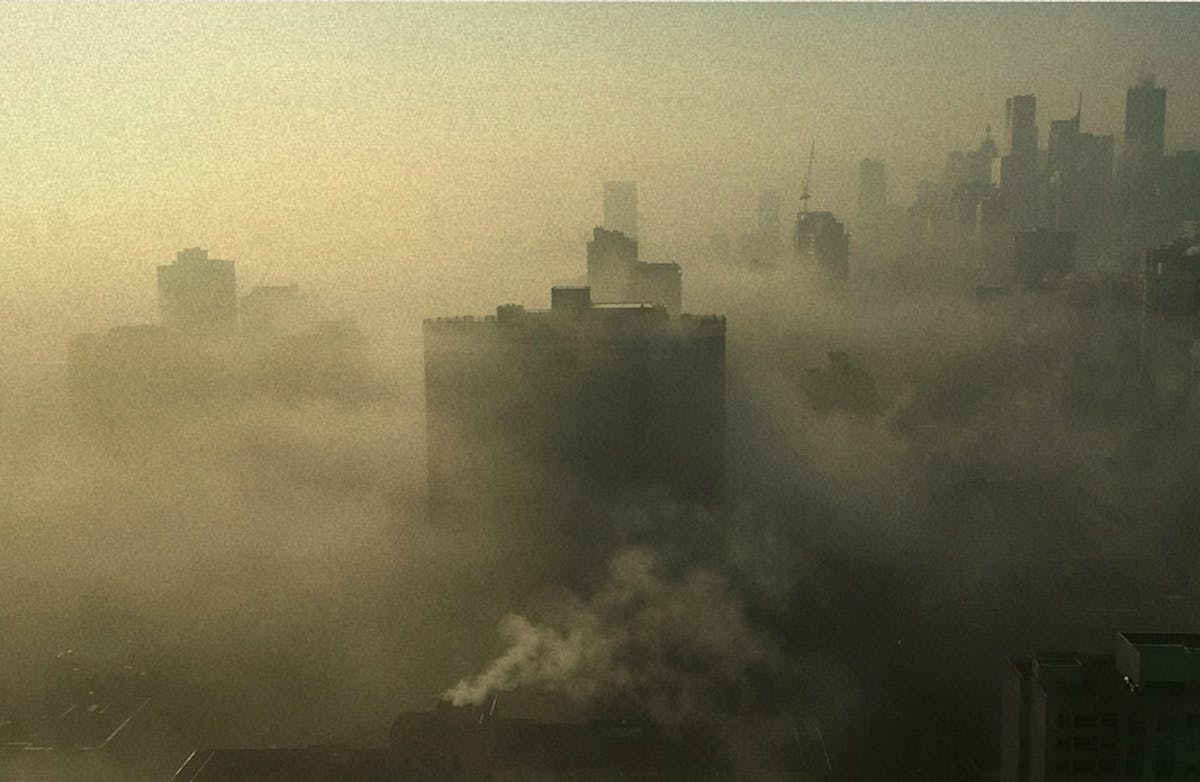
Air pollution in the UK contributes to up to 43,000 premature deaths and costs the economy £29 billion every year. Since Brexit, the EU has updated its legislation to bring air quality standards closer to World Health Organisation guidelines. However, while the UK and its devolved nations have made progress in some aspects of air quality, overall, the opportunity to match or exceed EU standards on air quality has been missed. In Chancellor Rachel Reeves’ latest lecture, she set out the Government’s ambition to have a closer relationship with the EU – but should we go beyond the economy and trade, and stretch this to health and environment too?
The UK as a whole has not updated its overall regulations on ‘limit values’ – maximum permissible concentrations of key pollutants in air – since 2010. That was when the UK Air Quality Standards Regulations implemented the former EU Air Quality Directives. The legislative independence offered by Brexit presented an opportunity for the UK to go further and faster on air quality standards than our continental counterparts. We could have moved swiftly and decisively to protect the health of our people and ecosystems alike from the well-established damages cause by major air pollutants. The EU updated its standards in 2014, moving key goalposts closer to the recommended levels advised by the World Health Organization. Yet, the UK has not kept pace.
Scotland has led the way within the UK, using its devolved remit to tighten target limit values on both types of particulate matter (PM), tiny particles suspended in air that have wide-ranging health and environmental impacts. For coarse particulate matter (PM10), its 18μg/m3 concentration target beats not only the UK standard of 40μg/m3 but also the revised EU standard of 20μg/m3, although still lags behind the WHO recommendation of 15μg/m3. The launch of the latest Environmental Improvement Plan (EIP) was an opportunity for Government to take a leaf out Scotland’s book on PM10 and to catch up with or surpass the EU on other key pollutants. While it's encouraging that the Government brought forward the date for achieving a limit value of 10μg/m3 for fine particulate matter (PM2.5) from 2040 to 2030, in line with the EU, it missed the opportunity to go further on other sources of pollution.
The UK is therefore still behind EU standards on other key pollutants, most notably nitrogen dioxide (NO2). This is harmful both to human health and to ecosystems. In 2014, pre-Brexit, the Court of Justice of the European Union opened a case against the UK for breaching nitrogen dioxide limits set by the (2008) Ambient Air Quality Directive when it was a member of the bloc. That case was only closed in 2024 after the UK had left the EU. It is perhaps unsurprising that the UK has not set more stringent limits when it was already failing to meet targets set by the old EU directive.
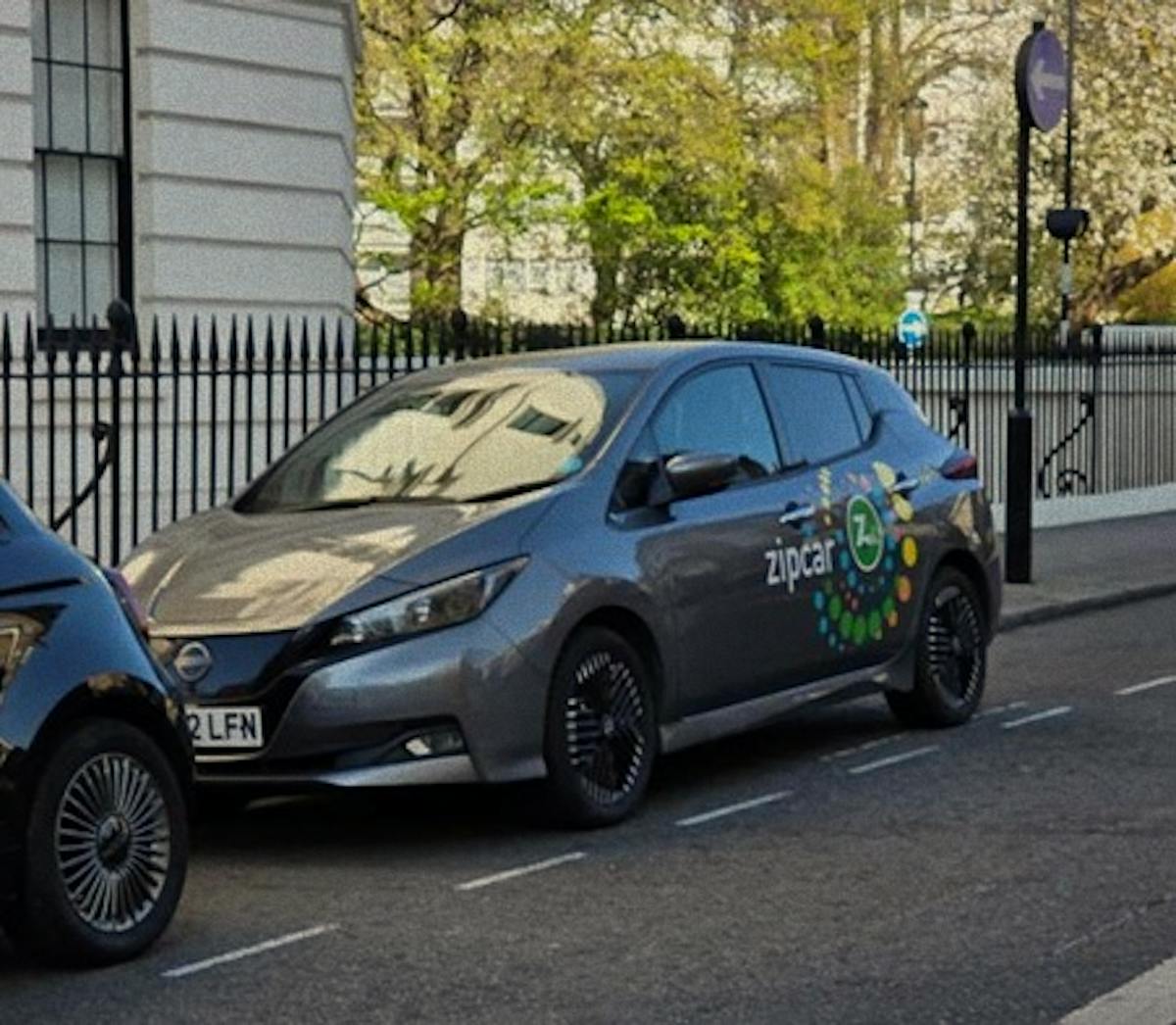
But that does not mean that we should not be aspiring to keep pace or that the necessary reductions are too difficult to make. While some UK cities still exceed legal NO2 limits, London reached the milestone of falling below the legal threshold for the first time in September 2025, setting an example to follow. Since becoming Mayor of London, Sadiq Khan has delivered a comprehensive package of measures to the capital, including not only the ULEZ but also moves to electrify the city’s bus fleet and tackle construction industry emissions.
The UK had a role in driving the EU’s air quality laws when it was an EU Member State. Each of the four nations of the UK and other devolved bodies now have to decide whether they wish to build on that legacy and reduce further the damage caused by air pollution. Aligning with the new standards in the EU provides an initial benchmark for this ambition towards those targets set by the WHO. However, the UK has the opportunity to go even further with its ambitions than the EU, becoming a world leader in policy for cleaner air.