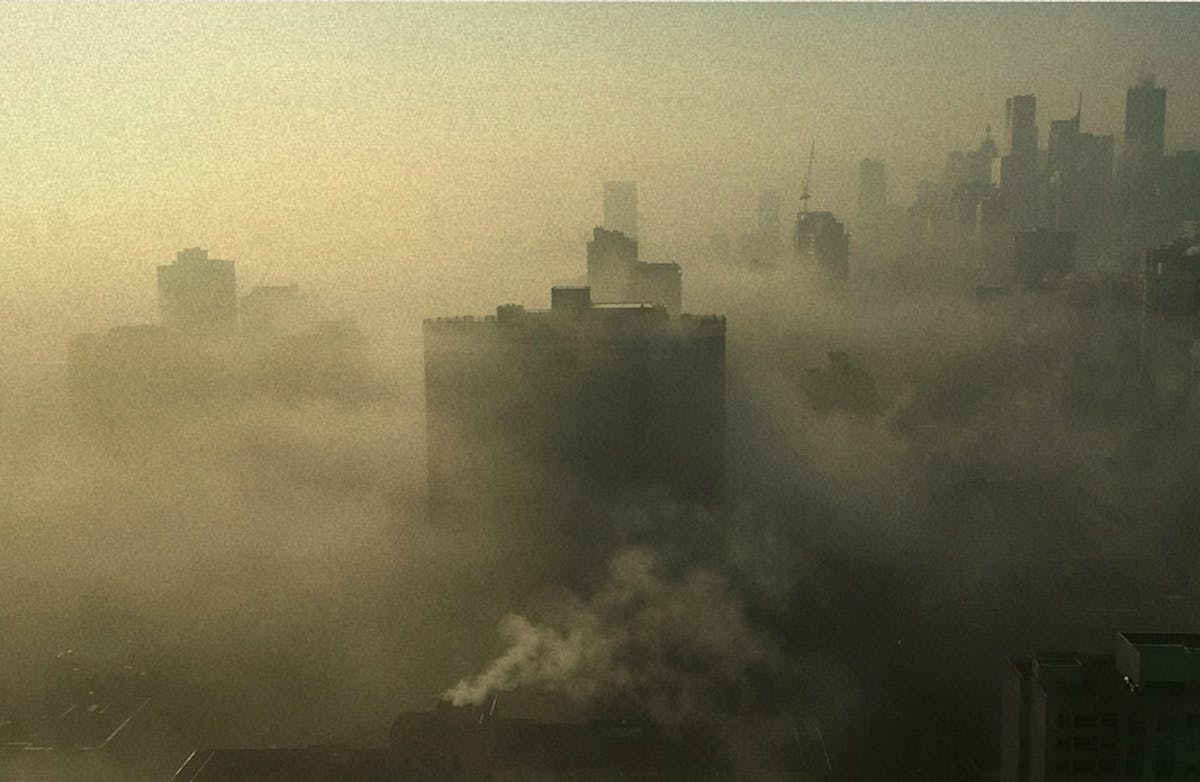
In 2015, Brixton Road in Lambeth was one of London's most polluted streets, breaching legal air quality limits 883 times that year. By 2024, it didn't breach the limits even once [1]. That transformation demonstrates what's possible when councils commit to bold action on clean air, but it also serves as a reminder of how much work remains.
Across Lambeth, thousands of children still walk to school each morning through air that affects their developing lungs. Air pollution is linked to stunted lung growth, worsening asthma, and health problems that persist throughout life [2]. Because the harm is invisible, it can be too easy to overlook. But the evidence is clear, and so, unfortunately, are the consequences.
BUILDING ON PROGRESS
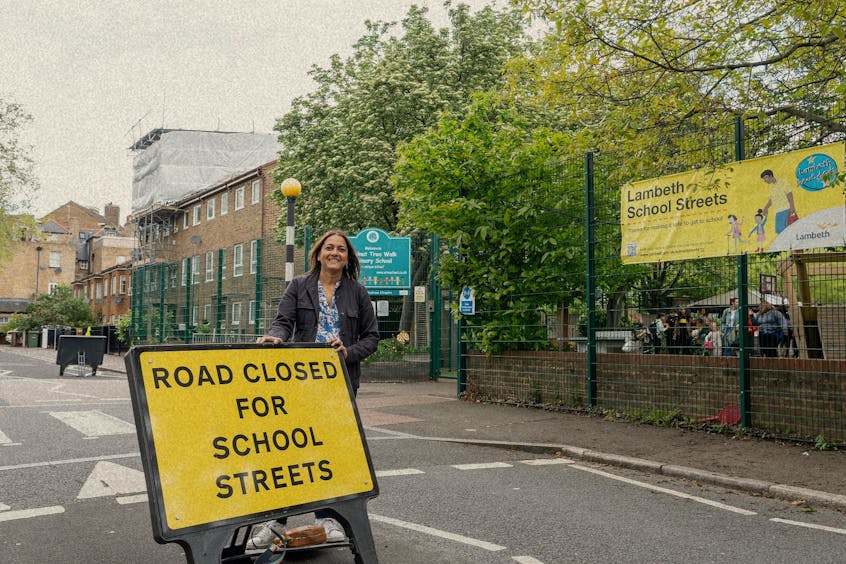
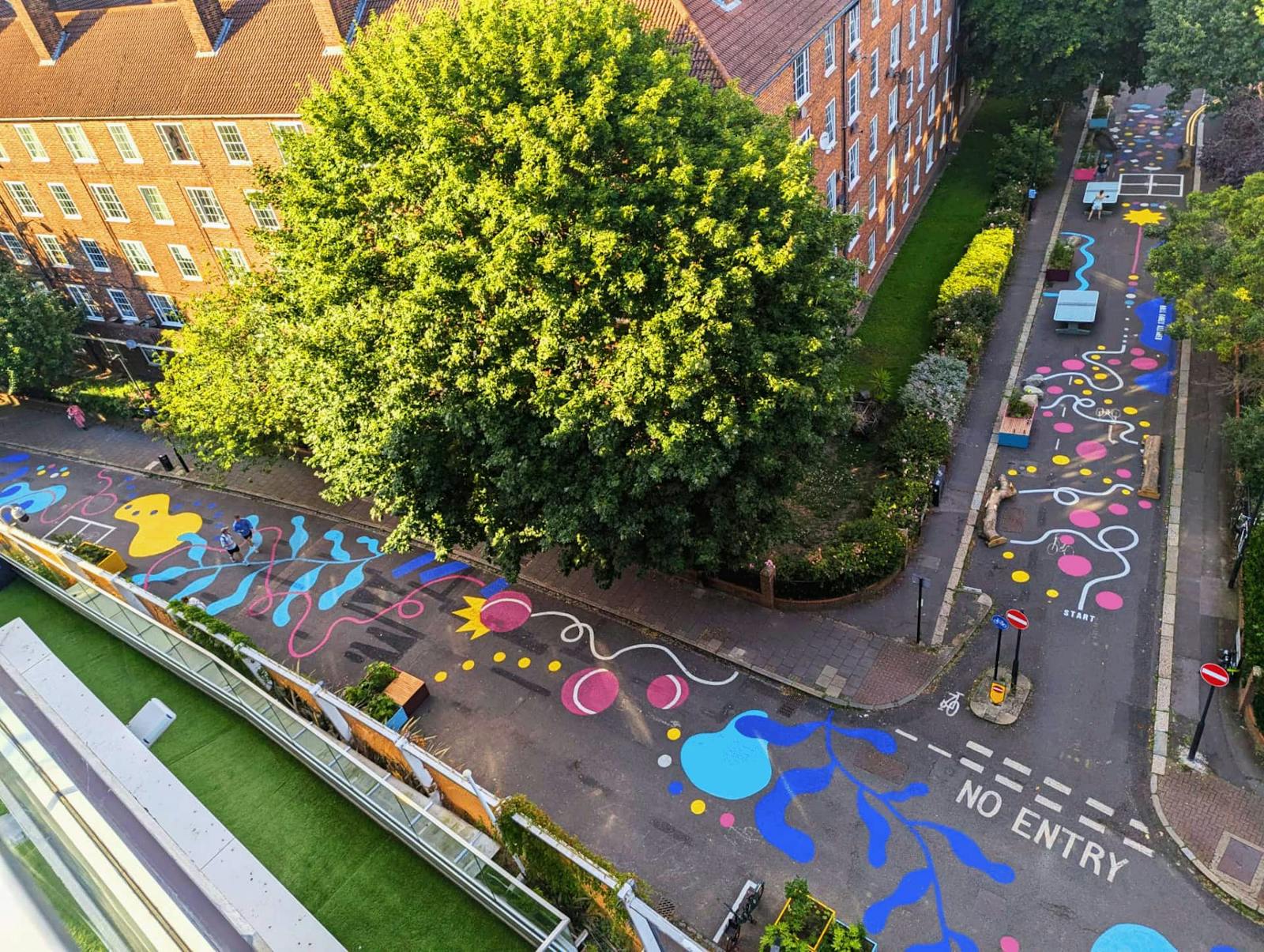
Lambeth has developed one of London's most extensive School Streets programmes. We now have 45 School Streets with timed traffic restrictions at school gates that reduce vehicle movements, improve air quality, and create calmer, safer spaces for children and families. Through our Healthy Neighbourhoods work, we're focusing resources on the most polluted streets as part of a wider strategy to reshape public spaces around health rather than traffic flow.
These changes make a tangible difference to daily life. Morning routines become quieter and less stressful. Children arrive at school, brimming with enthusiasm to start lessons, without having had to navigate idling cars on the way. The benefits are both visible and measurable.
Yet delivering these policies presents significant political challenges that are rarely discussed in mainstream debate.
THE POLITICAL REALITY
Clean air improvements often face resistance because the harm from pollution accumulates gradually rather than presenting as an immediate crisis. Introducing a School Street typically improves health outcomes for hundreds of children, but it also generates organised opposition. The voices of those who benefit most - children with developing lungs, elderly residents with respiratory conditions, families living on heavily polluted roads - are frequently absent from debates. Meanwhile, those opposed tend to be well-organised and effective at amplifying their concerns.
Councillors working on clean air policy navigate difficult conversations and absorb considerable pressure - and we do this with limited support from national government.
WHAT WE NEED FROM GOVERNMENT
Air pollution causes approximately 9,400 preventable deaths each year across the UK [3]. This is a public health crisis that transcends local boundaries, yet responsibility for addressing it has largely fallen to individual councils.
Clean air should be positioned as preventative healthcare. In 2025, over 80,000 children across London were taken to A&E with serious respiratory conditions - each admission representing a real cost to an already overstretched NHS [4].
Framing the issue this way makes clear we're not just managing traffic; we're also reducing pressure on health services.
We need visible support from national government. When London's Ultra Low Emission Zone launched, it faced intense opposition. The evidence now shows substantial improvements in air quality [5], yet much of the political cost was borne locally. When senior figures clearly endorse evidence-based interventions, it becomes easier for councillors to sustain momentum.
A dedicated Minister for Clean Air with a clear mandate to coordinate action across departments and communicate consistently about why these interventions matter would provide much-needed political cover for local leaders.
THE OPPORTUNITY AHEAD
There is political reward in delivering visible environmental improvements. In Lambeth, School Streets now enjoy strong community support, even where initial consultation revealed concerns.
Pollution affects children, older people, and racialised communities living near major roads disproportionately. Clean air is fundamentally a matter of equity; a bread-and-butter Labour values issue.
Local councils are making progress, but clean air is a national challenge that has been framed as a local responsibility for too long. A Minister for Clean Air would signal that government recognises this crisis and is ready to lead.
References
[1] Lambeth Council Air Quality Monitoring Data (2024)
[2] Royal College of Physicians (2016), Every breath we take
[3] Public Health England (2022), Costs to the NHS from air pollution
[4] Asthma + Lung UK (2023), Air quality impact on asthma
[5] Mayor of London (2025), ULEZ expansion: air quality improvements
[6] Defra (2023), Air Quality Strategy
https://assets.publishing.service.gov.uk/media/64e8963d635870000d1dbf9d/Air_Quality_Strategy_Web.pdf