Labour’s £15 billion Warm Homes Plan is a landmark policy, setting out actions to slash emissions and bills for low to middle income families, while bolstering UK energy security. While these benefits understandably dominate the narrative around the Warm Homes Plan, another benefit has gone under the radar: the health impacts of less air pollution in our homes.
When we talk about air quality, people often think of outdoor air pollution caused by combustion engine cars, vans, lorries and buses, or factories, industrial processes and construction. Rarely do we think about what is happening inside our own homes; but we should.
THE HEALTH IMPACTS OF OUR HOMES
People living in cold, damp homes – disproportionately those experiencing deprivation and fuel poverty – are exposed to significant health impacts, including through the development of mould which causes dangerous indoor air pollution. The inquest into the death of 2-year-old Awaab Ishak brought this into sharp focus after the Coroner concluded his death was explicitly linked to his exposure to mould at home [1].
Data shows that an alarming 2 million people in the UK are living with significant damp or mould problems at home [2]. Illnesses associated with cold and damp housing costs the NHS £900 million annually [3], with school absences in the UK due to illnesses caused by damp and cold homes at rates over 80% higher than the EU average [4].
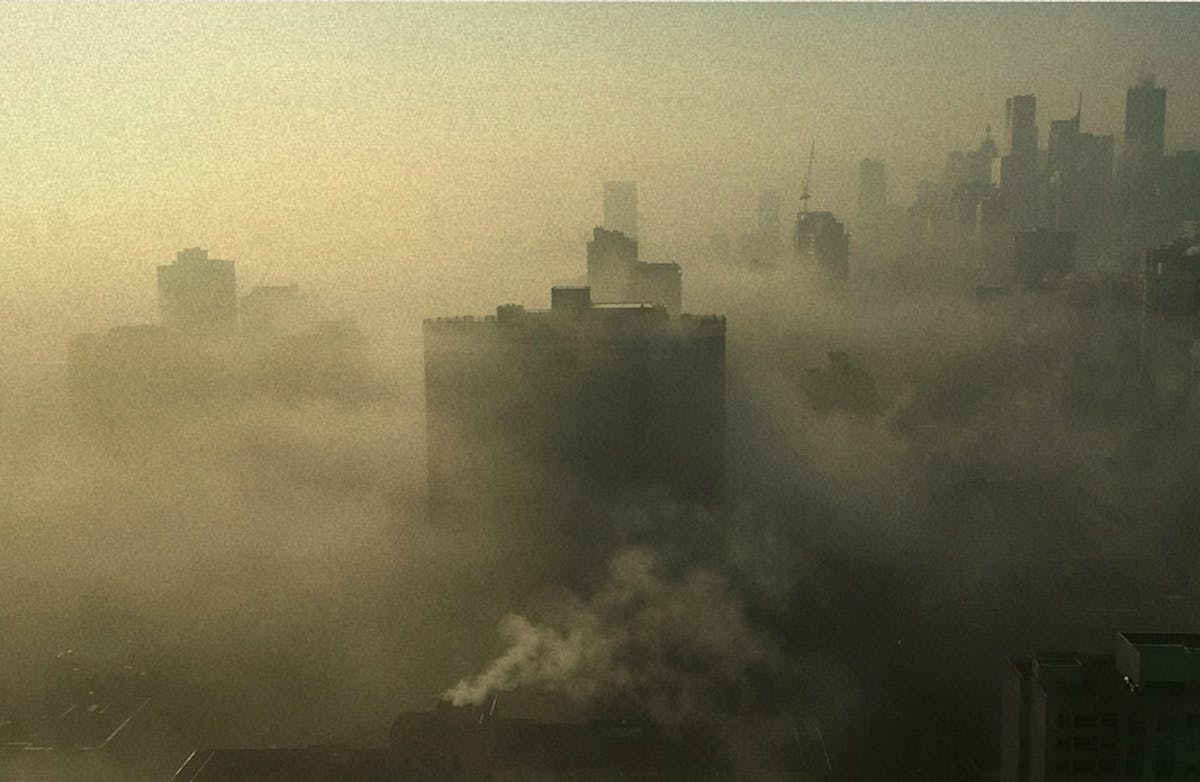
But it’s not just building quality or ability to heat our homes that contributes to ill-health; it’s also how we heat and cook in our homes. Gas boilers are significant sources of nitrogen dioxide (NOx) emissions, which can cause and exacerbate asthma, respiratory and cardiovascular conditions, particularly for children. With pollution from vehicles in London reducing, gas boilers account for a growing share of NOx emissions – with one study indicating this to be as high as 72% within a few kilometres’ radius of the BT Tower [5]. Gas cooking also creates NOx, as well as carbon monoxide, pollution that can pose a particularly dangerous risk in homes with poor ventilation.
Air pollution is often perceived to be an urban area issue, but pollution arising from and inside people’s homes is an issue that impacts any area and – as Jenny Riddell-Carpenter MP pointed out in an essay for LCEF – can carry particularly acute risks for rural and coastal areas where housing stock is often older, poorly insulated and more challenging to retrofit easily and affordably.
DELIVERING HEALTH OUTCOMES THROUGH THE WARM HOMES PLAN
While not billed as a health policy, the Warm Homes Plan represents a significant package and opportunity to improve the health outcomes for millions of people, while also tackling living costs and boosting energy security.
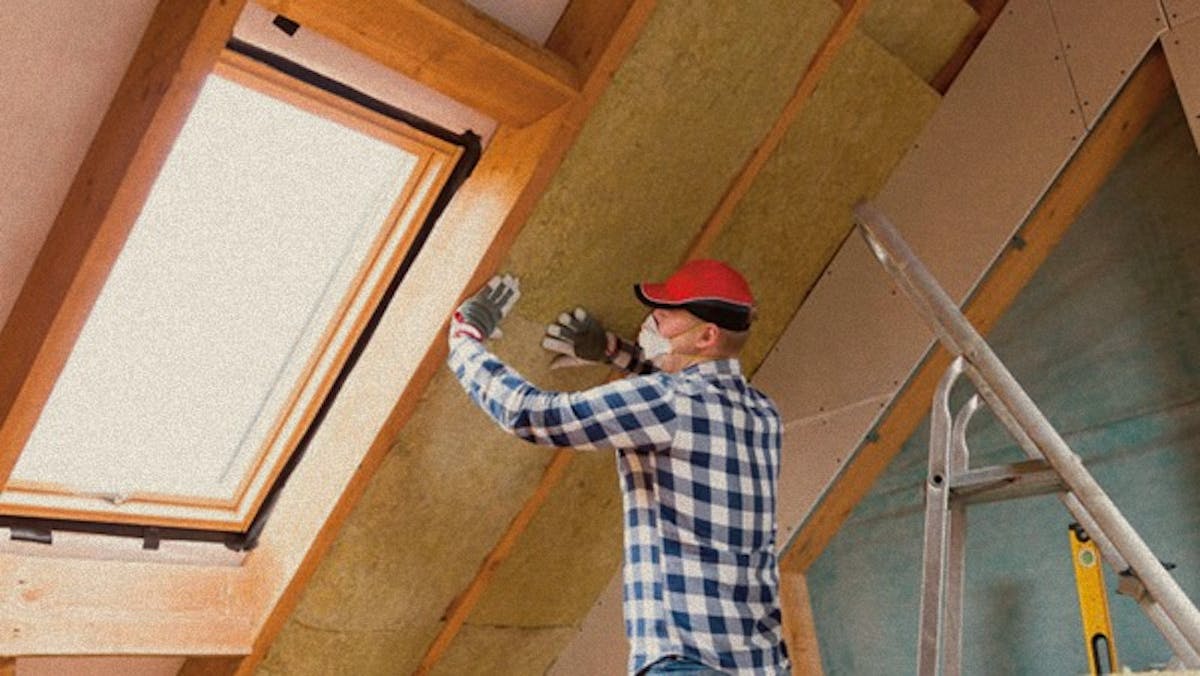
New energy efficiency standards in the private and social rented sectors and implementing Awaab’s Law will provide far greater protection for tenants and ensure landlords are required to keep people’s homes safe and warm. Alongside tailored packages for low-income households to access free-of-charge home upgrades, the plan could be transformative for those living in cold, damp and mouldy homes and ensure that lifting 1 million families out of fuel poverty is a part of this government’s legacy.
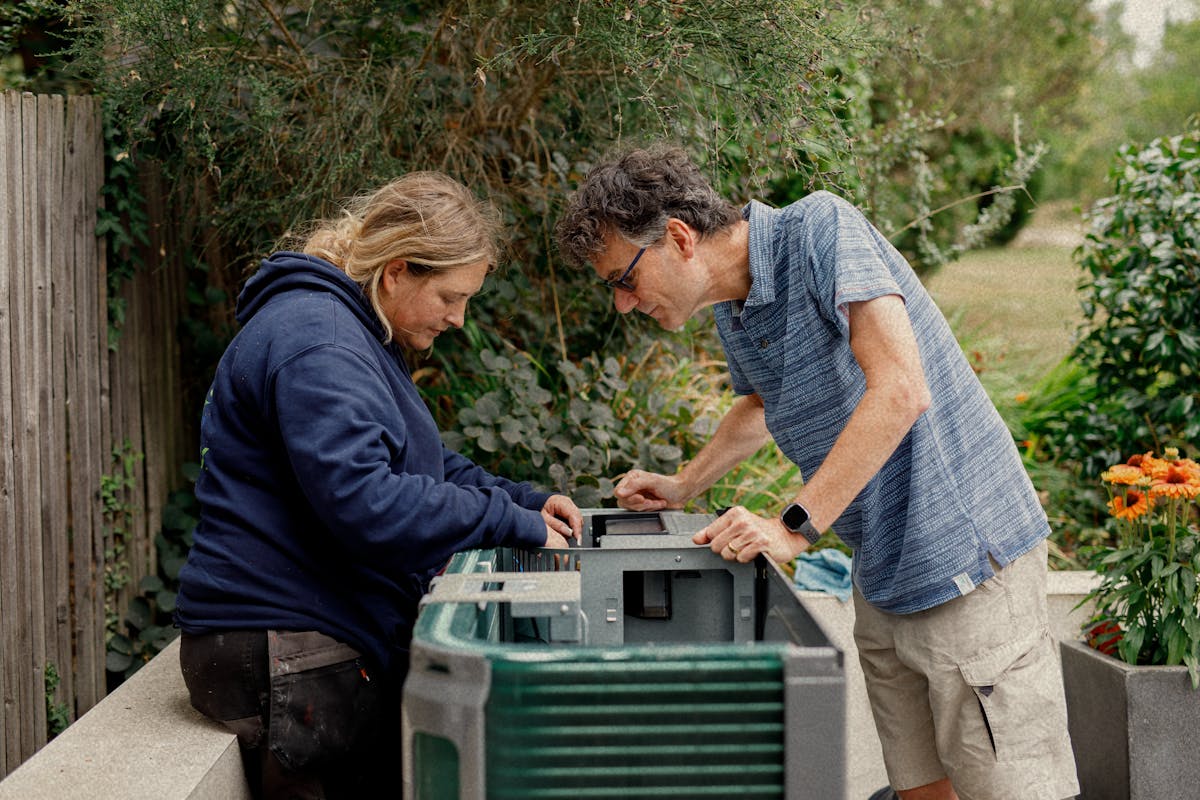
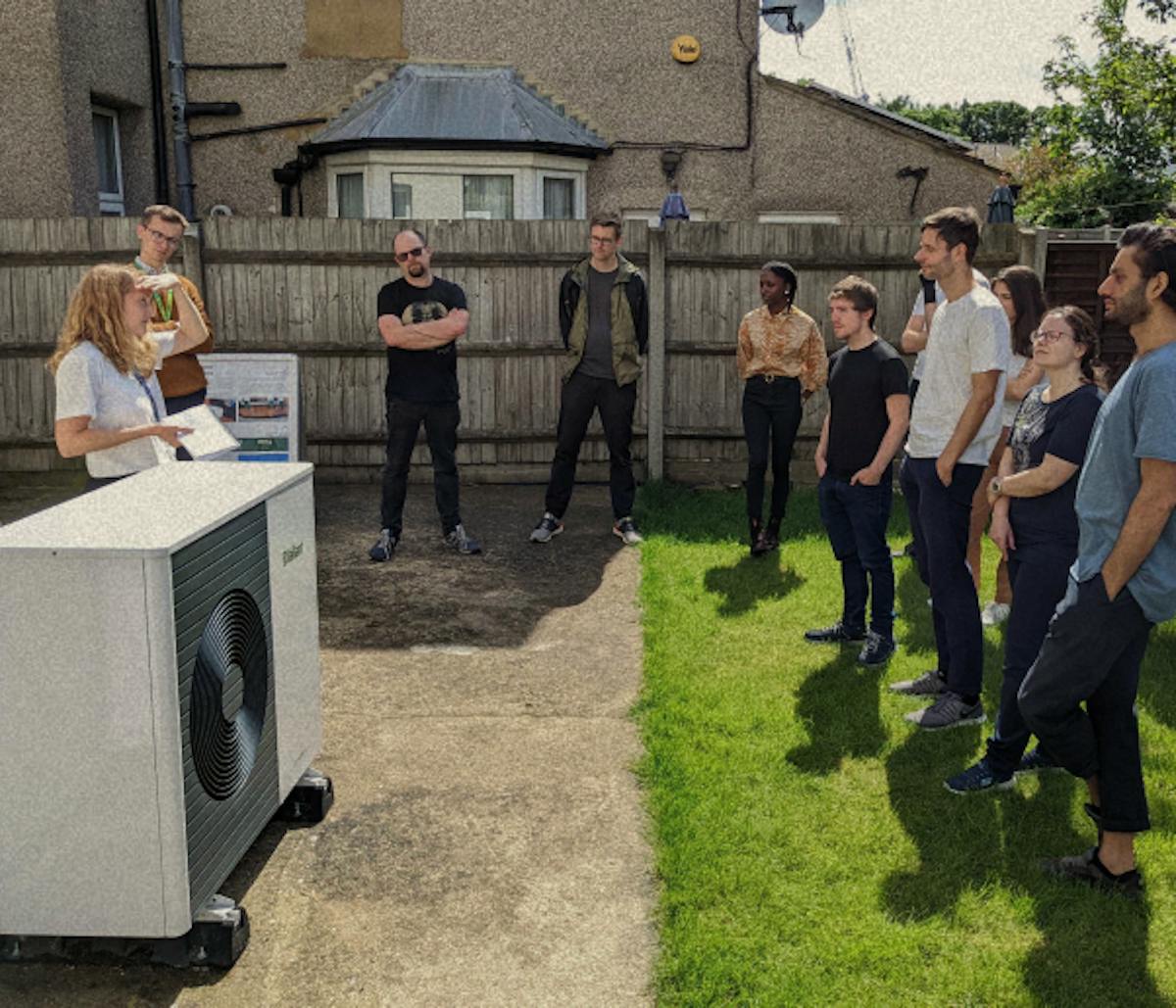
Meanwhile, new Government backed zero-and-low-interest loans available to all households for solar panels and the extension of support for people to switch their gas boiler for a heat pump could play a critical role in meaningfully scaling up low-carbon home technology and electrifying homes.
Beyond the Warm Homes Plan, new requirements in the Future Homes and Building Standards on low-carbon heating, solar panels and energy efficiency will make sure homes are warmer and more comfortable from the get-go. Meanwhile, government proposals to enforce tighter restrictions and introduce mandatory health and emissions labelling on wood-burning stoves – responsible for a fifth of UK PM2.5 emissions [6] which has the highest cost to society and the NHS of any pollutant [7] - is encouraging, and a no-brainer given the insignificant share of households who use it as a primary source of heating.
LINKING WARM HOMES TO HEALTH
The steps the government is taking to tackle fuel poverty and support electrification of homes are very positive and could have a significant knock-on impact to help DHSC’s preventative health agenda - an approach Wes Streeting has prioritised since becoming Health Secretary.
The government has a role to play in joining the dots between a preventative health approach and its action on warm homes, electrification and bolstering renters’ rights. By doing this they also need to raise awareness and support for why this joined-up way of working is important.
While clean air may not be a top political issue currently, it’s a cause for optimism that the government is still quietly getting on with delivering policies that could have a significant impact on the health of millions across the country for the long-term. It’s time they started shouting about it.
References
[1] https://www.judiciary.uk/prevention-of-future-death-reports/awaab-ishak-prevention-of-future-deaths-report/
[2] https://research.ukhsa.gov.uk/our-research/damp-and-mould/
[3] https://bregroup.com/news/bre-report-finds-poor-housing-is-costing-nhs-1.4bn-a-year
[4]https://www.researchgate.net/publication/354793221_Impacts_of_the_indoor_environment_in_our_homes_and_schools_on_child_health_A_novel_analysis_using_the_EU-SILC_Database
[5] https://pubs.acs.org/doi/full/10.1021/acs.est.4c13276
[6] https://www.gov.uk/government/statistics/emissions-of-air-pollutants/emissions-of-air-pollutants-in-the-uk-particulate-matter-pm10-and-pm25
[7] https://uk-air.defra.gov.uk/assets/documents/reports/cat09/2301090900_Damage_cost_update_2023_Final.pdf