With the electric vehicle (EV) transition accelerating, the introduction of a pay-per-mile tax for EV drivers was always a matter of when, not if.
It is right that EV drivers begin to pay their fair share of tax. While EVs carry significant advantages over combustion engine vehicles, they do not eliminate the issues or costs associated with congestion or road wear. Pay-per-mile is likely the best way to address this, but it’s critical that its introduction is fair and doesn’t stall the UK’s EV momentum.
Getting the EV transition right goes hand-in-hand with Labour’s agenda. EVs can tackle the cost of living through lower running costs, bolster the UK’s energy security by reducing dependence on imported petrol and diesel, and improve people’s health through lower air pollution, while putting a big dent in the UK’s carbon emissions. This is not just a “green” issue, but one that reaches right across this Government’s priorities.
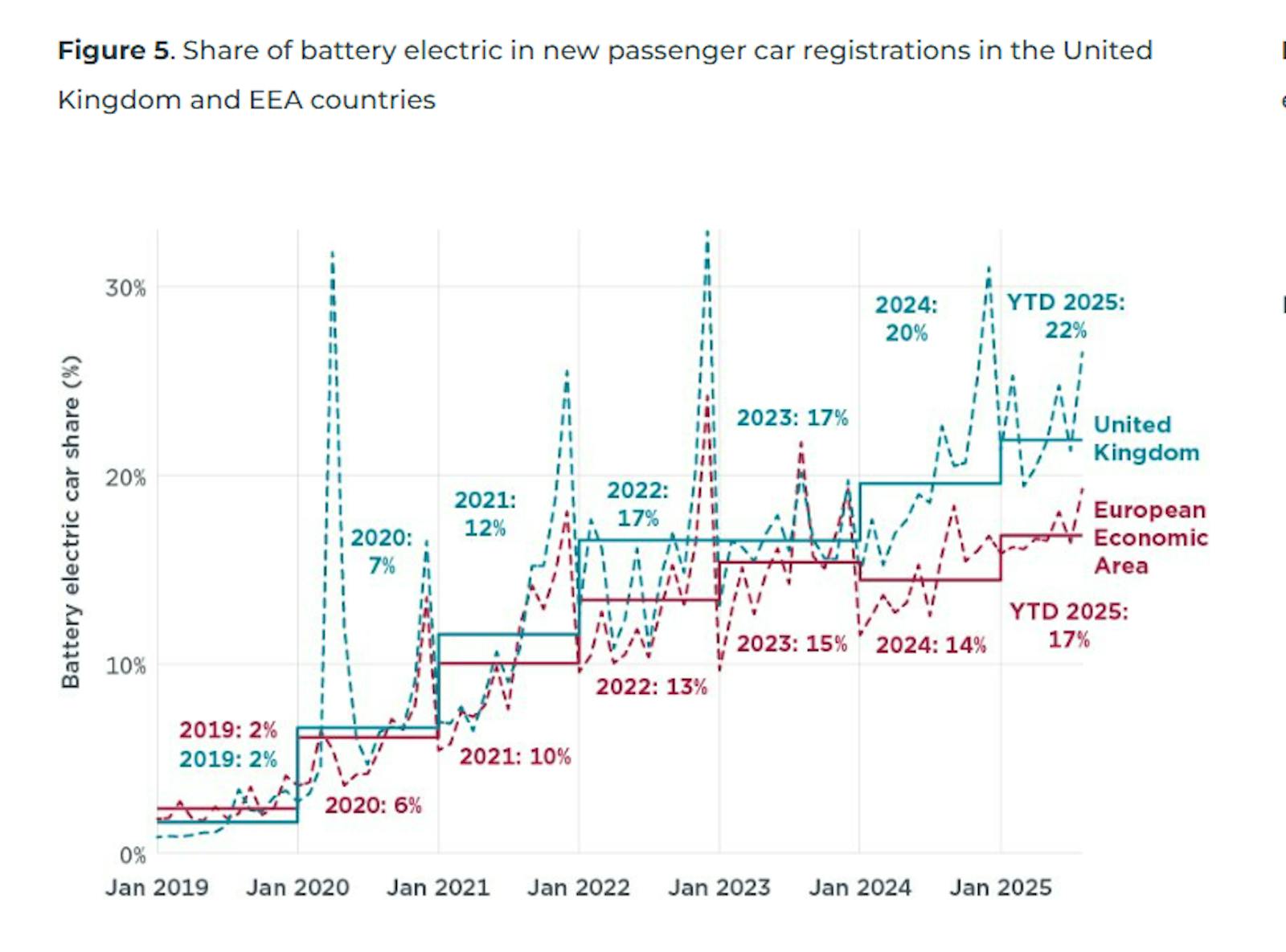
The UK is at the forefront of Europe’s EV transition - nearly a quarter of new car sales are EVs, with upfront prices dropping and consumer choice increasing. In this context, the introduction of pay-per-mile is a fair move.
But for the public it may seem a contradiction to introduce a tax on EVs at the same time as encouraging people to buy them. It’s important now that the Government gets and communicates its wider policy and messaging right to ensure public confidence in the EV transition continues to grow rather than be stifled.
Getting the policy right
The Government has already taken good steps with the introduction of a grant to help the purchase of new EVs and accelerating chargepoint rollout through investment and planning reform – both of which have received an additional and welcome £1.5 billion uplift in this year’s Budget alongside other policies. But there’s more to do.
Among the Budget announcements was a commitment to review public charging costs. While most drivers - who can charge at home - will still get sizeable cost savings with a 3p-per-mile charge[i], the marginal savings for people reliant on public charging will be squeezed further. The Government is already taking positive steps to make it easier for people to access cheaper home charging by supporting cross-pavement charging solutions. But acting on public charging costs before pay-per-mile comes into force is needed to avoid a risk of driving a greater wedge between those who can and can’t charge at home.
While the EV grant is a welcome intervention by this Government, identifying targeted support measures aimed at low- and middle-income households could help get the running cost benefits to the people who need those savings the most. Meanwhile, regulations on battery health information and improving the reliability and accessibility of public chargepoints would help boost public confidence.
The decision to phase out the temporary 5p fuel duty cut by March 2027 and subsequently uprate it in line with inflation is a significant and much needed move. It marks the beginning of the end of a giveaway that has cost the public purse upwards of £133 billion and benefited the top income decile three times more than the poorest [ii]. But sticking to this commitment will also send a clear signal ahead of the introduction of pay-per-mile that EVs are the best choice for drivers, while raising essential revenue to reinvest into the transport system.
There’s no reason why introducing pay-per-mile for EVs from 2028 cannot come alongside the continued success of the EV transition. Delivered well, it can balance the needs for fairness, revenue and sustainability, and help raise the finances in the long term to support Labour’s wider vision for an affordable, integrated and reliable transport system. Getting the wider EV policy framework and messaging right is now essential to ensure this Labour Government can continue delivering an ambitious and equitable EV transition.
References
[i] Energy and Climate Intelligence Unit, November 2025, Snap Analysis: EVs still £1,000 cheaper to run with 3p/mile charge
[ii] Social Market Foundation, March 2024, Upcoming fuel duty freeze will cost government over £20 billion and do nothing to alleviate poverty