Today is World Ocean Day, but I’m afraid I’m not going to keep things light with some nice facts about whales trying to communicate with us [1] or fish that are self-aware [2]. UK seas are worth great deal more than fun facts. They are and should be recognised as a fundamental piece of our national infrastructure. Our seas provide livelihoods, food, and climate resilience – without making budgetary demands. They regenerate under the sole proviso that we manage them well, making space for nature to thrive.
The Bill
The Energy Independence Bill is a crucial part of that. Although we don’t yet know the full detail of the Bill, we know it honours a manifesto commitment to end new oil and gas in UK seas, and marks the start of the transition to affordable, home-grown, nature-friendly energy for our nation.
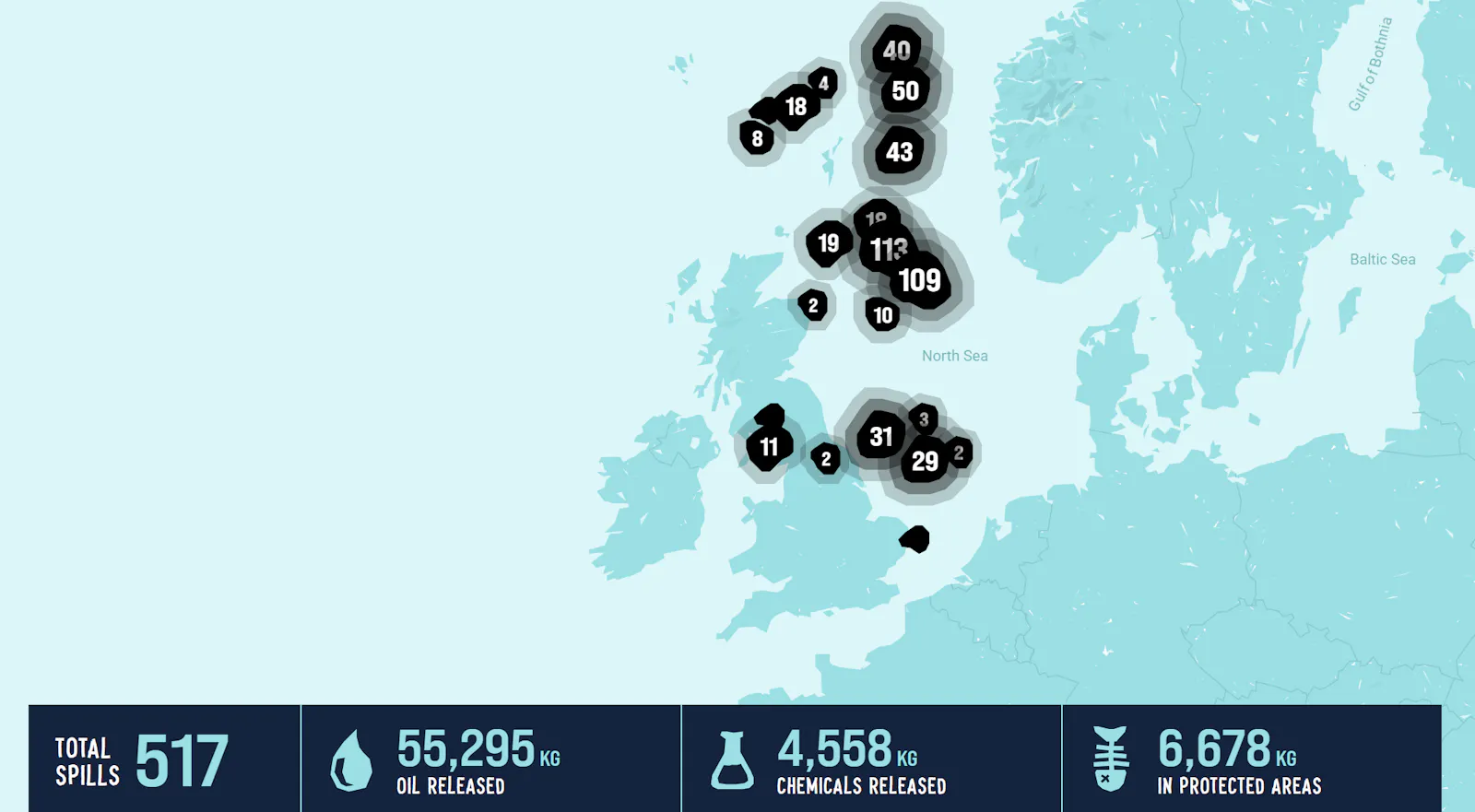
Ending damaging new fossil fuel developments is essential for our seas. We cannot continue to ignore the oil and chemical spills – nearly two a day last year [3] – that pollute our waters and poison our wildlife. Big Oil executives laugh behind their hands at fines that don’t even equate to a single afternoon’s work from the CEO [4].
On the other hand, British families are forced to watch helplessly as their bills skyrocket. Reckless foreign war is a driving factor, of course, but make no mistake – new North Sea drilling won’t cut energy bills, because we don’t own the oil and gas. It gets sold on the international market – and why would a private, for-profit company start selling to us at a discount when they could be making millions for their shareholders, as they always have done in the past?
All this means the Bill is essential, and we haven’t even yet mentioned the terrifying escalation of the climate crisis. Marine heatwaves [5] have been ripping through our seas like wildfires through a forest in recent years. Many species are being forced to move north at a rate of several miles every year, risking severe population decline [6] and disrupting entire ecosystems and vital coastal livelihoods.
The transition
Now is the time to be removing rusting old oil rigs that are leaching toxins into our Marine Protected Areas. We know that early and effective decommissioning is important to prevent this harm, and we also know that it could support 25,000 UK jobs per year [7]. This will provide a vital bridge to offshore workers as we begin the transition to low-cost, community-oriented, nature-friendly renewable energy and the green jobs it generates.
When the market stability provided by the Bill kicks in – enshrining the end to oil and gas in law – progressive offshore industries will know where they stand and can plan and develop the vital technology that will provide prosperity in coastal communities for years to come.
The fightback
I know that right now Big Oil lobbyists will be descending on government in a frenzy of faux concern for workers and real concern for profits. I know that some in political circles will be drawn in by their spurious arguments, but they are on the wrong side of history, and the British public knows it. Nearly two thirds of the public are concerned about the impacts of oil pollution on our seas, according to the results of a new YouGov poll.
I urge the government to stay true to its course. The UK can and should be a progressive force in the world. An international leader, while at the same time reaping the benefits of jobs, savings, and a thriving ocean.
References
[2] https://www.nature.com/articles/s41598-025-25837-0
[3] https://stopoffshoredrilling.org.uk/map/
[4] https://uk.oceana.org/wp-content/uploads/sites/14/2024/09/Oceana_Report_DIGITAL_web.pdf
[6] https://www.nature.com/articles/s41559-024-02350-7
[7] https://www.redwaterinsights.org/research/jobs-and-economic-impacts-from-uk-offshore-decommissioning